Emotional Intelligence Activities for Kids That Work
What activities improve emotional intelligence in children?
Activities that boost emotional intelligence (EQ) help kids notice feelings, name them, manage big emotions, and respond with empathy. The best options are simple, repeatable, and fit naturally into home life, playtime, and school routines. Below are practical activities that build self-awareness, self-regulation, social awareness, and relationship skills.
Emotion naming games
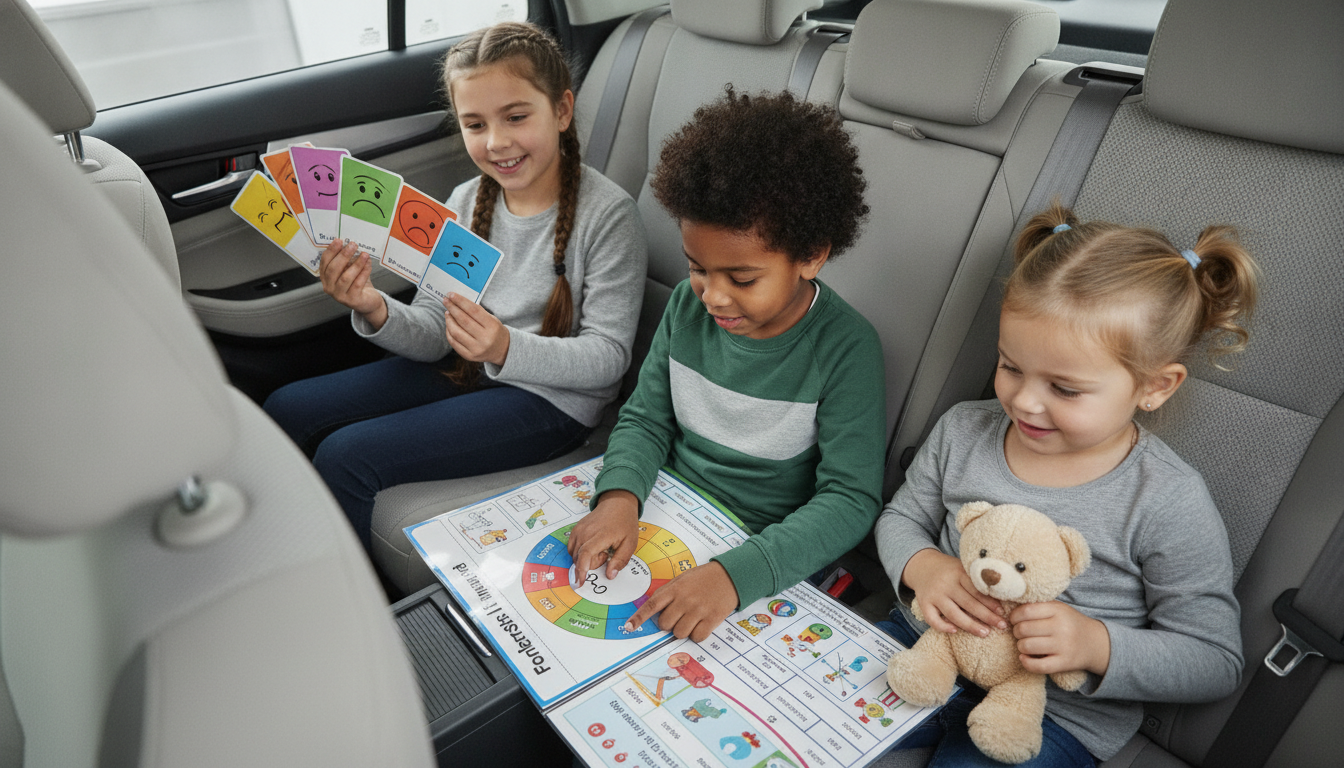
Use “feelings charades,” emotion flashcards, or storybook characters to practice labeling emotions (happy, frustrated, worried, disappointed). Ask, “What clues show that feeling?” This strengthens vocabulary for emotions and helps children talk before reacting.
Role-play and social stories
Act out common situations—sharing toys, losing a game, being left out—then practice helpful responses. Social stories (short, specific narratives) work well for preparing kids for transitions, new settings, or conflict, and they build perspective-taking.
Mindfulness and breathing routines
Short exercises like “smell the flower, blow the candle,” counting breaths, or a one-minute body scan teach kids how to pause and calm their nervous system. Pair these with a “calm-down corner” stocked with a timer, sensory items, and a few coping choices.
Journaling and drawing feelings
For younger kids, drawing a “feelings face” or using a color chart can reveal emotions they can’t yet explain. Older kids can write a few lines: what happened, what they felt, what they needed, and what they’ll try next time.
Cooperative play and team tasks
Board games, building projects, and group challenges teach turn-taking, reading social cues, and handling disappointment. Choose activities where the goal is collaboration (building together, solving a puzzle) rather than only competition.
Kindness and gratitude habits
Daily gratitude shares at dinner or a weekly “kindness mission” (write a note, help a neighbor) builds empathy and strengthens positive relationship skills.
For more age-specific ideas and examples you can use right away, visit the full guide: https://emperiale.com/what-activities-improve-emotional-intelligence-in-children/.
FAQ
How can parents model emotional intelligence at home?
Name your own feelings calmly (“I’m disappointed, so I’m taking a breath”), apologize when needed, and narrate healthy coping strategies. Consistent modeling teaches kids what emotional regulation looks like in real life.
















Leave a comment