How to Calm a Stressed Cat: Signs, Fixes, Vet Tips
What to do when cat is stressed
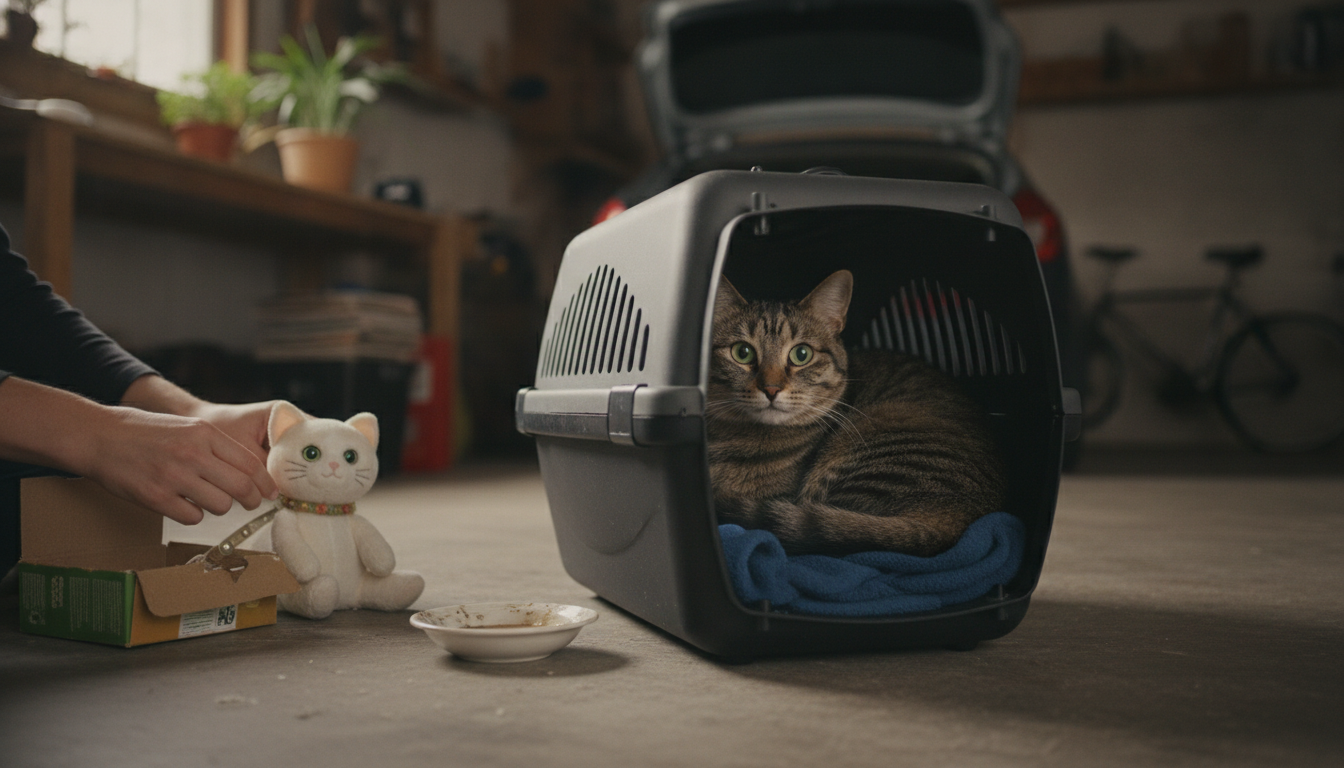
When a cat is stressed, start by making life feel predictable again. Stress can show up as hiding, sudden aggression, overgrooming, loss of appetite, litter box changes, or extra vocalizing. The most helpful approach is to reduce triggers, create safe spaces, and support calm routines while watching for signs that a medical issue could be involved.
1) Create a “safe zone” and reduce stimulation
Give your cat a quiet room or corner with a bed, water, litter box access, and hiding options (a covered bed, box, or under-furniture space). Keep loud noises, guests, and other pets away from this area. Close curtains if outdoor activity is upsetting them.
2) Rebuild routine with food, play, and rest
Feed at consistent times and keep the environment steady. Add short, gentle play sessions (5–10 minutes) with a wand toy to release tension, then offer a small meal or treat to complete the “hunt-eat-rest” rhythm. Avoid forcing interaction; let your cat choose contact.
3) Improve resources (especially in multi-cat homes)
Stress often comes from competition. Provide multiple litter boxes (a common guideline is one per cat plus one extra), separate feeding stations, and more than one water source. Add vertical territory like cat trees or shelves so cats can pass each other without conflict.
4) Use calming supports thoughtfully
Pheromone diffusers or sprays can help some cats feel safer. Enrichment—scratching posts, puzzle feeders, and window perches—can also reduce stress by giving your cat appropriate outlets. If your cat is hiding constantly or refusing food, prioritize a vet visit.
5) Know when it’s time to call the veterinarian
Contact a vet promptly if your cat stops eating for 24 hours, strains to urinate, has diarrhea/vomiting, shows sudden behavior changes, or overgrooms to the point of bald spots or sores. Pain and illness can look like “stress,” and treating the underlying issue is essential.
For a deeper walkthrough of causes and practical next steps, see the complete guide here: https://emperiale.com/what-to-do-when-cat-is-stressed/.
FAQ
How can you tell if a cat is stressed or sick?
Stress and illness can overlap, but red flags for sickness include not eating for a day, straining to urinate, vomiting, diarrhea, or sudden severe lethargy. When symptoms are intense, new, or persistent, a vet check is the safest next step.














Leave a comment