Calm Your Mind Fast: Simple Steps That Work
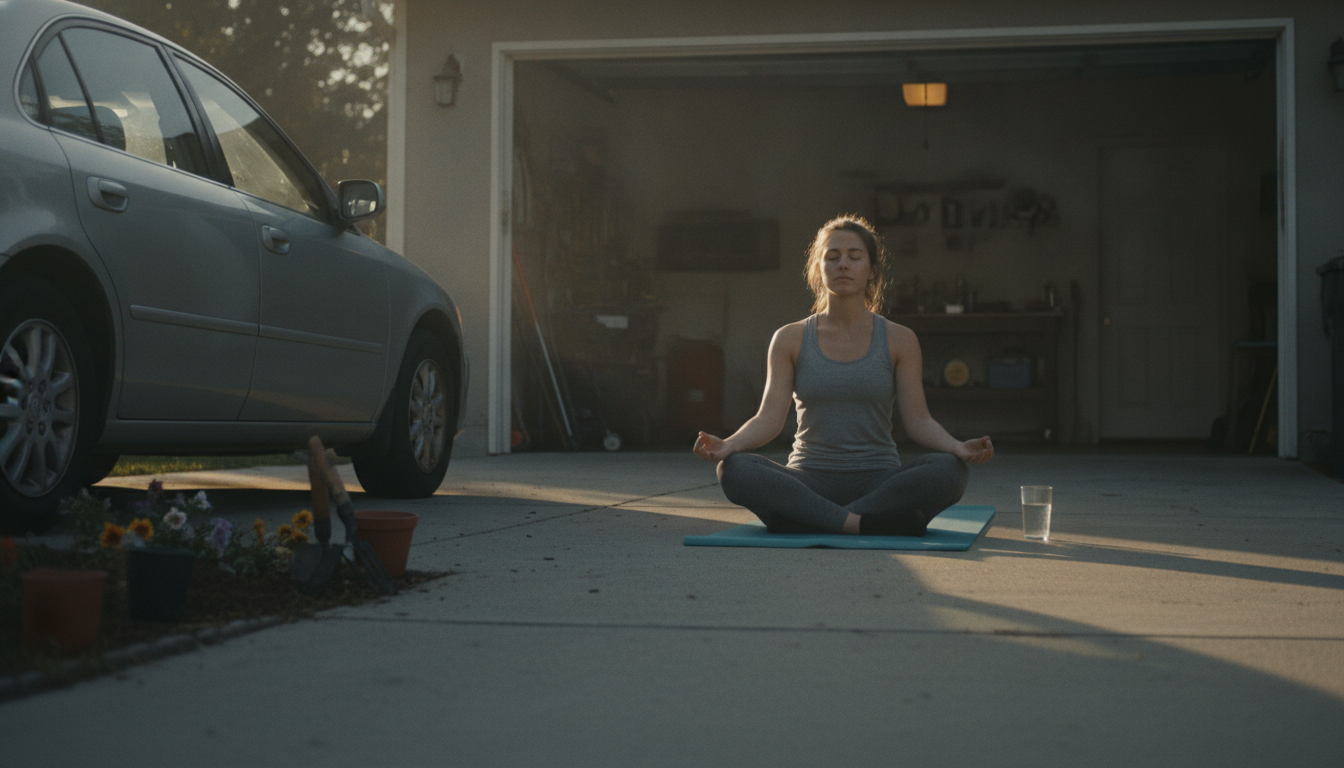
How can I calm my mind?
A busy mind usually isn’t a personal failing—it’s a nervous system doing its best to keep up. The fastest way to feel calmer is to give your body a clear signal of safety, then guide your attention toward something simple and steady. A few small practices done consistently can make calm feel more accessible, even on stressful days.
Start with a 60-second reset
Try this quick routine: inhale through your nose for 4 seconds, hold for 2, then exhale slowly for 6–8 seconds. Repeat 5 times. Longer exhales encourage your body to shift out of “fight-or-flight” and into a more settled state.
Ground your attention in the present
If thoughts are racing, use a sensory anchor. Name five things you can see, four you can feel, three you can hear, two you can smell, and one you can taste. This pulls attention away from mental noise and back into your immediate environment.
Reduce mental clutter with a “worry container”
Set a timer for 3 minutes and write every worry as a short bullet. When the timer ends, circle one item you can act on today and write the next smallest step. For everything else, schedule a specific “worry time” later (10–15 minutes). This trains your mind to postpone rumination instead of replaying it all day.
Calm the inputs
When you feel overstimulated, lower the volume: dim lights, silence nonessential notifications, and step away from rapid content for 10 minutes. Even a brief reduction in sensory load can help your mind settle.
Build a steady routine for calmer days
Daily movement, consistent sleep timing, hydration, and limiting late-day caffeine are simple but powerful. Calm is easier when your baseline stress level is lower.
For more supportive strategies and a deeper breakdown, visit https://emperiale.com/how-can-i-calm-my-mind/.
FAQ
What are quick ways to stop overthinking at night?
Lower stimulation an hour before bed, write a short “brain dump” list, and use slow breathing with longer exhales. If thoughts return, gently repeat a neutral phrase or count breaths to give your mind a simple track to follow.












Leave a comment