Make Your Living Room Look Cosy: Easy, Warm Updates
How do I make my living room look cosy?
A cozy living room comes from layering soft textures, warming up the lighting, and arranging furniture so the space feels welcoming and easy to settle into. Small changes—like swapping bulbs, adding a throw, or pulling seating closer—can make the room feel noticeably more comfortable without a full redesign.
Start with warm, layered lighting
Overhead lighting can feel harsh and flat. Add at least two additional light sources, such as a floor lamp and a table lamp, and choose warm-white bulbs to create a softer glow. If possible, use dimmers or lower-wattage bulbs so evenings feel relaxed instead of bright and clinical.
Bring in texture through textiles
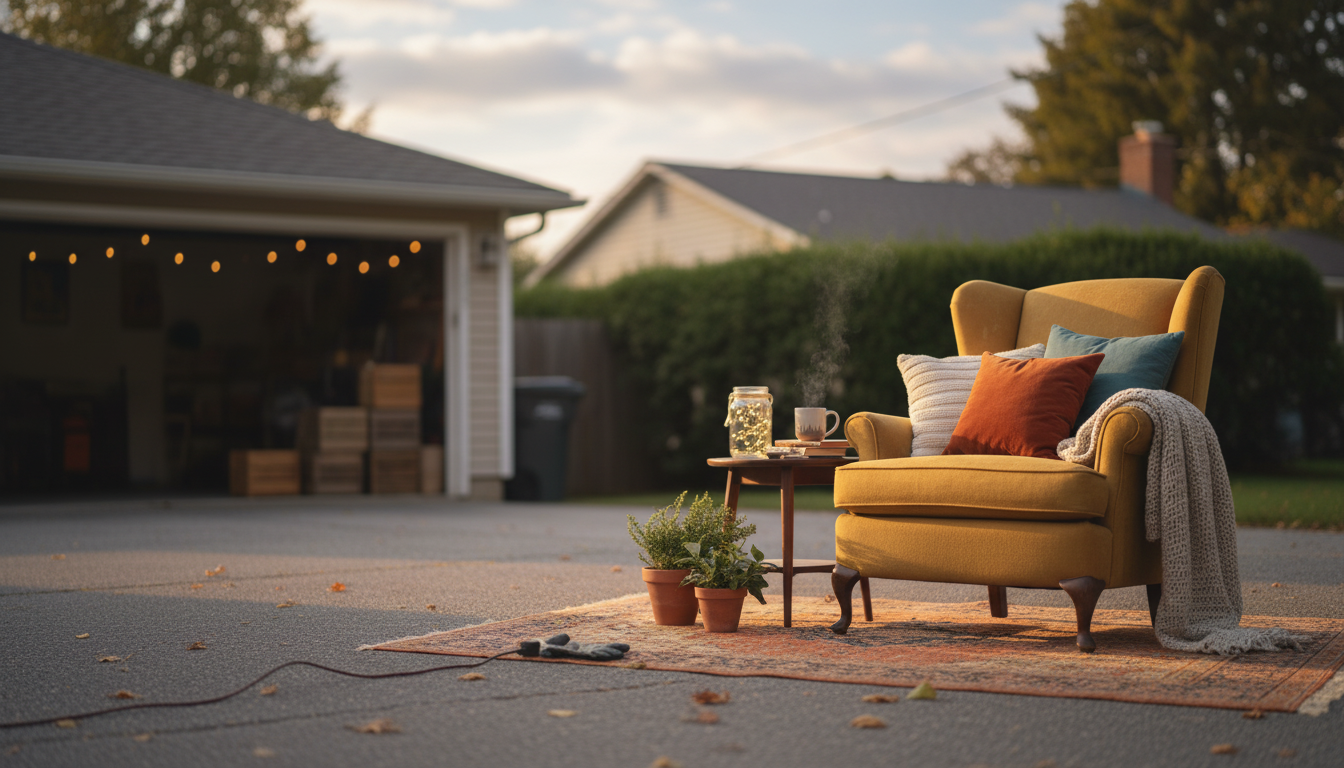
Cozy rooms look touchable. Add a throw blanket over the sofa, mix pillow fabrics (knit, velvet, linen), and anchor the seating area with a rug that’s large enough for the front legs of furniture to sit on. Layering textiles makes the space feel finished and inviting, even if your furniture is simple.
Rearrange for conversation and comfort
A living room feels cozier when seating is grouped rather than pushed to the edges. Try moving chairs and sofas closer together and centering them around a coffee table or ottoman. Leave clear walking paths, but aim for a layout that encourages conversation and lounging.
Add warmth with color and natural elements
Warm neutrals, earthy tones, and rich accents (like rust, caramel, olive, or deep navy) help a room feel snug. Incorporate natural materials—wood, rattan, leather, stone, or dried botanicals—to balance softness with depth. A simple tray on the coffee table with books and a candle can also create a cozy focal point.
Use scent and sound to finish the mood
Cozy is also sensory. Light a candle, use a diffuser, or simmer citrus and spices, then add gentle background music for a calm atmosphere.
For a quick, room-by-room checklist you can do in minutes, visit this cozy checklist guide.
FAQ
What lighting makes a living room feel warmer?
Use warm-white bulbs, rely more on lamps than overhead lights, and add dimmable options when possible. Multiple smaller light sources create a softer, more relaxing glow.












Leave a comment