How Much to Feed Fish Daily: Portion, Timing, Signs
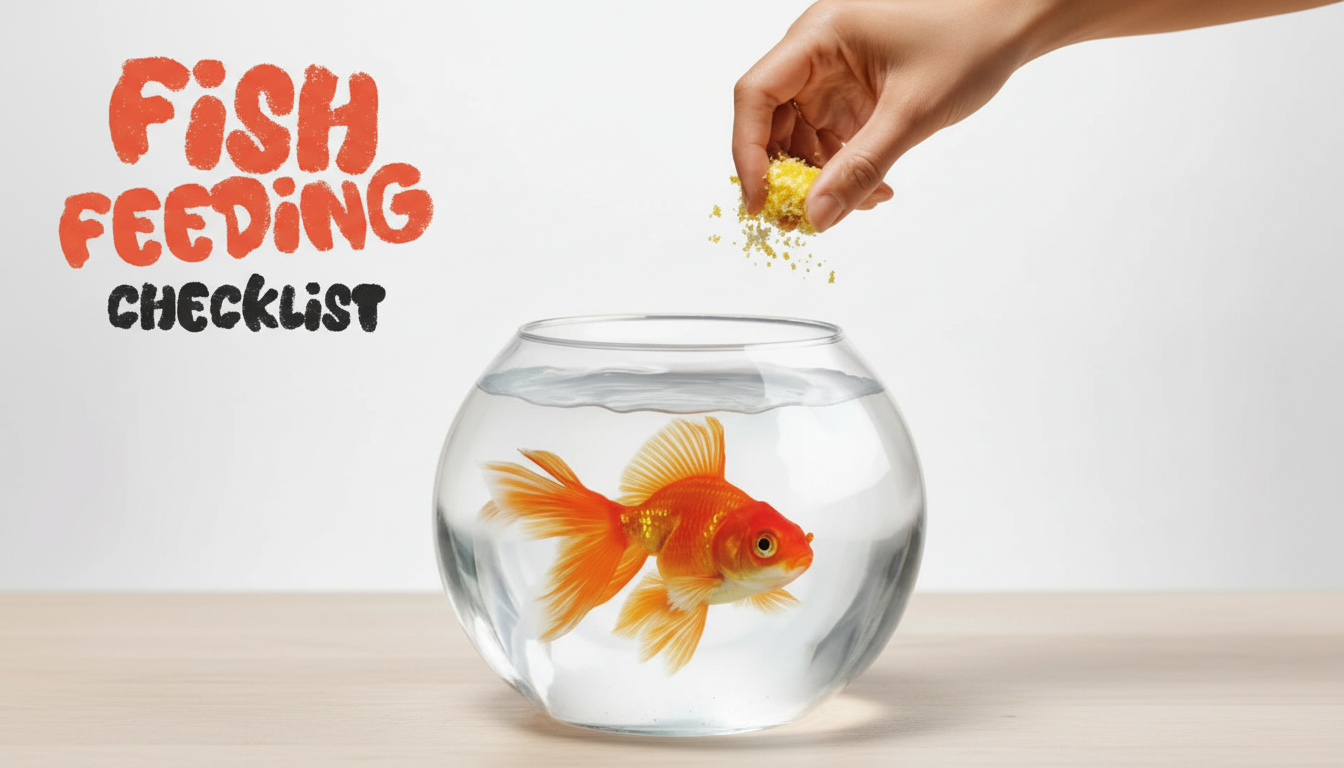
How much to feed fish every day?
Most aquarium fish should be fed 1–2 times per day, offering only what they can fully eat within about 1–2 minutes. That usually ends up being a small pinch of flakes or a few pellets per fish, not a “cover the surface” amount. A good daily target is enough food to keep fish active and maintaining steady weight without leaving anything drifting or sinking to rot.
Fish appetites vary widely by species, size, temperature, and activity level. Fast-moving community fish often do well with two smaller feedings, while many bottom-dwellers and larger, slower fish can thrive on one measured feeding. For very small fish or juveniles, slightly more frequent feedings can work, but portions still need to stay tiny to avoid fouling the water.
Signs you’re feeding the right amount
Look for clear behaviors and tank conditions. Fish should finish the meal quickly, hunt for remaining bits, and then settle. The water should stay clear, with no food accumulating in corners or on the substrate. Fish should look gently rounded after eating—not bloated—and maintain stable body condition over time.
Signs you’re feeding too much (or too little)
Overfeeding shows up as leftover food, cloudy water, algae spikes, and rising ammonia or nitrite. Fish may also act sluggish or show swollen bellies. Underfeeding can show as weight loss, pinched bellies, fin nipping, or frantic surface begging all day. When in doubt, reduce portions first and confirm with water testing and body condition.
For a more detailed breakdown by fish type, feeding frequency, and common mistakes to avoid, visit https://emperiale.com/how-much-to-feed-fish-every-day/.
For How Much to Feed Fish Daily: Portion, Timing, Signs, the best answer depends on fit, material, care instructions, and how the product will be used day to day.
FAQ
How do I know if I’m overfeeding my fish?
If food is still visible after a couple minutes, the water turns cloudy, or you see faster algae growth and worsening test results (ammonia/nitrite), you’re likely feeding too much. Cut the portion back and remove uneaten food promptly.















Leave a comment