When to Start Feeding Pond Fish in Spring (By Temp)
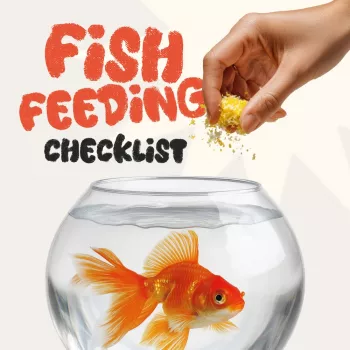
What month should I start feeding my pond fish?
The best “month” to start feeding pond fish depends on your local spring temperatures, not the calendar. In many parts of the U.S., feeding resumes sometime between March and May, when the water consistently warms up and stays stable. A warm spell followed by a cold snap can slow digestion and make heavy feeding risky, so it’s better to watch the thermometer than the date.
The temperature rule that matters most
Start feeding when your pond water holds around 50°F (10°C) or higher for several days in a row. At this point, koi and goldfish become more active and can begin processing food more reliably. If water is still hovering in the 40s, fish metabolism is sluggish, and uneaten food can foul the water.
How to feed when you’re just starting back up
Begin with small portions once per day (or every other day), and only offer what your fish finish within a couple of minutes. Choose an easy-to-digest, wheat germ–based spring food until temperatures rise further. If you see food left over, stop feeding and try again after the next warm stretch.
When you can increase feeding
As water temperatures climb into the mid- to upper-60s°F, fish are typically ready for more regular feeding and a higher-protein diet. Increase slowly: a little more food and/or an extra feeding per day, while continuing to monitor activity level and water quality.
Don’t forget water quality and filtration
Early spring is also when filters and beneficial bacteria are still “waking up.” Overfeeding can spike ammonia and nitrite before your biofilter catches up. If you’ve just restarted equipment, ramp feeding more cautiously, and test water parameters if you notice cloudy water or stressed fish.
For a deeper seasonal breakdown and feeding guidance by water temperature, visit https://emperiale.com/what-month-should-i-start-feeding-my-pond-fish/.
FAQ
What should I feed pond fish in early spring?
Use a wheat germ–based, easily digestible pellet and feed lightly. Offer small amounts and remove leftovers so decaying food doesn’t harm water quality.















Leave a comment