Cat Stress Signs: How to Tell if Your Cat Is Stressed
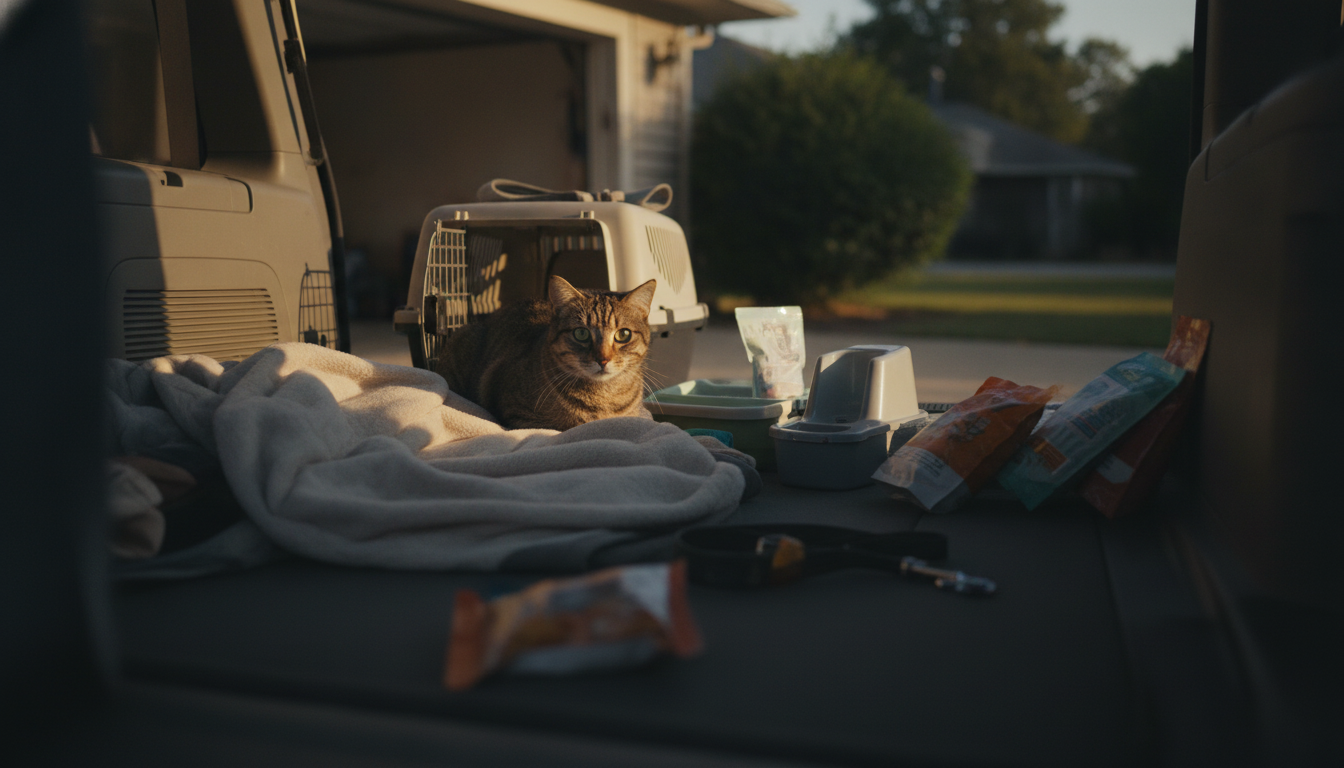
How do I understand if my cat is stressed?
Cats rarely “act out” without a reason. Stress usually shows up as small shifts in routine, body language, and health. The key is noticing what’s different for your cat—especially if changes last more than a day or two or appear suddenly after a move, a new pet, visitors, schedule changes, or loud noises.
Common signs of stress in cats
Behavior changes
Watch for hiding more than usual, becoming unusually clingy, increased irritability, swatting, or avoiding touch. Some cats pace, seem restless, or stop playing. Others may vocalize more (or go quiet), especially at night.
Litter box problems
Stress can trigger urinating outside the box, frequent trips with little output, or changes in stool. Since urinary issues can become emergencies, treat sudden litter box changes seriously and contact a vet promptly if your cat strains, cries, or can’t urinate.
Body language clues
Signs include flattened ears, a tucked tail, crouching, dilated pupils, or a tense, “ready to bolt” posture. Over-grooming, hair loss, or dandruff can also be stress-related, especially if it’s new.
Appetite and sleep shifts
A stressed cat may eat less, eat too fast, or lose interest in favorite treats. Sleep patterns can change too—either sleeping far more or staying on high alert and napping lightly.
How to confirm it’s stress (and not something else)
Start by noting what changed: home environment, new scents, feeding schedule, roommates, construction noise, or a different litter. Track symptoms for a few days, including appetite, water intake, and bathroom habits. If the change is abrupt, severe, or paired with vomiting, diarrhea, weight loss, or pain, a veterinary check is important to rule out medical causes.
What to do next
Reduce triggers where possible and rebuild predictability: consistent meals, quiet resting spots, and easy access to litter boxes and water. Add enrichment (play sessions, puzzle feeders, scratching options) and provide safe vertical spaces. For a deeper walkthrough of stress signals and practical calming steps, visit the full guide on cat stress.
FAQ
Can stress cause a cat to pee outside the litter box?
Yes, stress can lead to inappropriate urination, especially after changes in the home or social tension. Because urinary tract issues can look similar and may be urgent, contact a vet if it starts suddenly or your cat seems uncomfortable.















Leave a comment